
Solar Panel Trays Installation: Roof Mounting Guide

Solar panel trays installation should begin with a roof and panel compatibility survey, followed by fitting a mounting system designed for your roof type. Flat-roof trays support panels above the roof surface, while in-roof systems integrate them into the roof covering.
The right fit affects panel security, water management and access for future maintenance. Check the system’s specifications against your roof and modules before installation begins.

How Do Solar Panel Trays Suit Different Roofs?
Flat-roof trays support panels on an angled frame or ballasted base, while in-roof frames sit flush with a pitched roof covering. The best option for your property depends on its roof construction, drainage and the appearance you want.
How Do Flat-Roof Trays Differ From In-Roof Frames?
Flat-roof trays hold solar panels above a flat roof, with the frame setting their angle and orientation. Some systems use ballast to keep the array in place, which avoids roof penetrations; the added weight still needs to fall within the roof’s structural capacity. Leave clear routes for water to drain, and make sure the layout accounts for wind exposure.
For a flat roof, check whether the solar panel roof trays suit your panel dimensions and whether the manufacturer specifies ballast, fixings or both. Confirm that the design keeps panels secure and allows access to the roof surface for inspection.
In-roof frames are fitted into the roof covering, so the panels sit closer to the surrounding tiles or slates. Their trays form part of the weather-management arrangement, with specific details for overlaps, seals and cable routes. Ask how a panel can be accessed or replaced, and check the weatherproofing warranty for the complete system.
When Is the GSE In-Roof System a Good Fit?
The GSE in-roof system suits a pitched roof where you want panels integrated into the roofline. GSE Integration uses trays designed to accommodate framed solar panels, with water and cable management built into the system.
Before choosing it, check the permitted roof pitch, panel dimensions and frame-clamp requirements against the system instructions. Confirm how the installer will handle roof edges, junctions and any roof windows, along with the warranty for weatherproofing. Solar panel roof trays for an in-roof installation must be fitted as part of a complete system, with the roof details planned before work starts.

What Should You Check Before Installation?
Before solar panel installation, confirm that your roof can support the chosen mounting system and that the panels match its specifications. A site survey should also cover roof condition, shading, cable routes and the installer’s evidence of competence.
Are the Roof and Mounting System Suitable?
Ask for a roof assessment covering its age, condition, structure and ability to carry the panels and mounting system. On a flat roof, the survey should account for ballast loads, wind exposure and drainage. On a pitched roof, the installer should check the roof covering and explain how the mounting details will preserve weather protection.
Your layout should also reflect roof direction, shading and obstructions such as chimneys or roof windows. Ask where cables will run and how the design will keep them secure and protected from damage. Check whether the solar panel roof trays are approved for your roof type, pitch and exposure conditions.
How Do Panel Compatibility and IEC 61215 Matter?
Check that the mounting-system manufacturer lists your panel’s dimensions, frame profile and clamp zones as compatible. Panels need to be secured at the specified points and with the correct clamps; a close-looking fit alone does not confirm compatibility.
IEC 61215 is a design qualification and type-approval standard for photovoltaic modules. It provides information about module performance and durability testing, while the mounting system still needs its own compatibility and installation requirements. Ask your installer to show how the selected panel and solar panel roof trays work together under their respective manufacturer instructions.
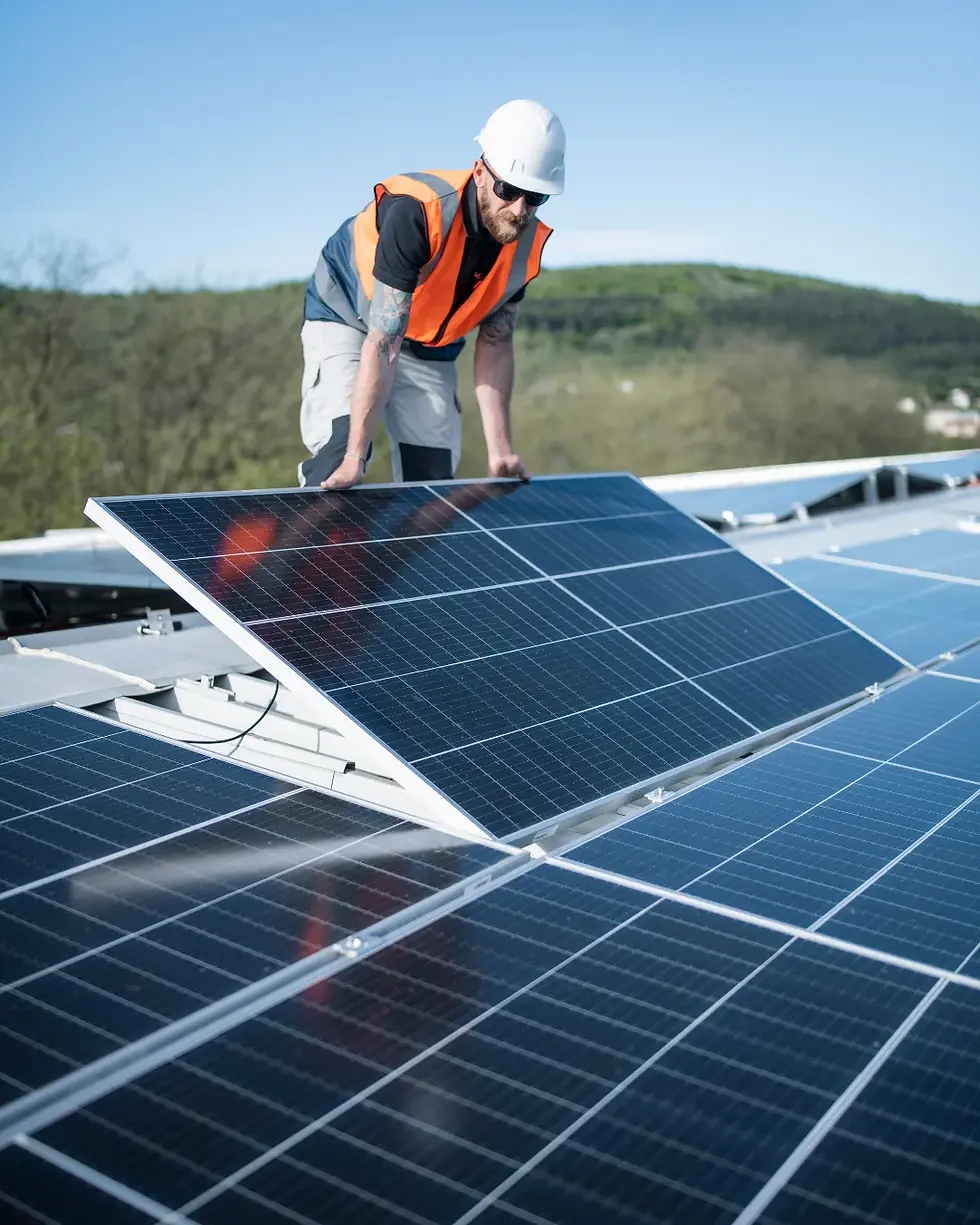
Before starting your installation, explore our guide to Solar Panel Tray Cost to understand pricing factors and Solar Panel Roof Trays for Commercial Buildings to discover mounting solutions for larger properties.
What Should You Expect From a Solar Installer?
Expect a written design that identifies the mounting system, panel layout, roof checks and proposed cable route. Your quote should set out the equipment, workmanship and product warranties, plus any roof repairs or electrical work needed before installation.
Ask whether the installer holds relevant MCS certification and whether the system has the approvals required for your roof application. For an in-roof product, ask specifically about weatherproofing tests and the warranty covering the roof-integrated assembly. If you contact Solar Panels London about roof or glazing work, confirm that the contractor responsible for the solar array has the appropriate solar installation qualifications. Ask for installation instructions and handover documents, including system test results and warranty information.
Conclusion
Choose trays that match your roof construction and panel specifications, then have the installation checked against the manufacturer’s instructions. Before approving the work, request the roof assessment, system design and written warranty details.


Comments