
Solar Panel Installers London: Reliable Renewable Energy Solutions

Choosing a residential solar panel installer in London requires more than comparing headline prices. You need a qualified provider that understands local roof types, planning requirements, electrical standards and the city’s variable shading conditions.
You should choose an accredited London installer that provides a clear quote, suitable system design, quality components and reliable aftercare. This guide explains how to assess providers, plan your installation and protect your investment over time with Solar Panels London.
Key Takeaways
Compare accredited installers, detailed quotes and customer reviews.
Check your roof, energy use, permissions and likely system output.
Confirm warranties, monitoring support and maintenance arrangements.

Choosing A Suitable Provider
Choose a residential solar panel installer that can demonstrate recognised competence, suitable insurance and relevant experience with London buildings. Compare written quotations carefully, checking the equipment specification, expected performance, installation work, payment terms and warranty coverage. Solar Panels London provides detailed quotes and transparent information for your peace of mind.
Accreditations And Insurance
Check whether the residential solar panel installer is MCS certified. This certification supports eligibility for the Smart Export Guarantee and indicates that the business follows recognised standards for domestic renewable-energy installations. You can verify Solar Panels London and its certification through the MCS database.
Ask for evidence of public liability insurance and employer’s liability insurance where applicable. Public liability cover protects you if the installation causes injury or property damage, while employer’s liability insurance covers employed staff. Confirm that the policies remain valid and note their coverage limits.
Your installer should provide an electrical installation certificate after completing the work. Ask whether the company will notify the local distribution network operator and arrange building-control documentation when required. Check the installer’s process for handling planning restrictions, particularly if your property lies within a conservation area or includes a listed building.
Experience With London Properties
London properties often present restricted roof access, nearby shading and limited space for equipment. Ask residential solar panel installers for examples of completed projects on properties similar to yours, such as terraced houses, leasehold flats, listed buildings or homes with shared roofs.
A competent survey should assess roof orientation, pitch, structural condition, chimney shading and access requirements. It should also identify the location of the inverter, cable routes and, if proposed, a battery system. Request a written explanation of any work needed before installation, such as roof repairs or scaffold access.
If you own a leasehold property, confirm who must approve the work and whether the roof forms part of a communal structure. Your installer should distinguish between planning permission, building regulations and landlord or freeholder consent.
Comparing Quotations And Warranties
Request itemised quotations from at least three providers. Each quotation should state the number and model of panels, total system capacity in kilowatts, inverter brand, mounting system, battery capacity if included, scaffolding, electrical work, monitoring equipment and VAT.
Compare projected annual generation using the same assumptions about roof direction, shading and electricity use. Treat unusually high estimates with caution, and ask whether the figure accounts for London’s local conditions and likely system losses.
Review separate product warranties and workmanship warranties. Product warranties cover manufacturing faults, while workmanship warranties cover installation defects. Check the warranty length, exclusions, claim process and whether coverage remains valid if the installer closes or transfers responsibility. Ensure the quotation identifies who will provide aftercare and fault support. Solar Panels London provides clear warranty information and aftercare support.
Planning, Installation And Aftercare
A suitable roof, accurate system design and correct paperwork help you avoid delays and unexpected costs. Reliable monitoring and scheduled maintenance also help you identify faults early and protect your system’s performance.
Roof Surveys And System Design
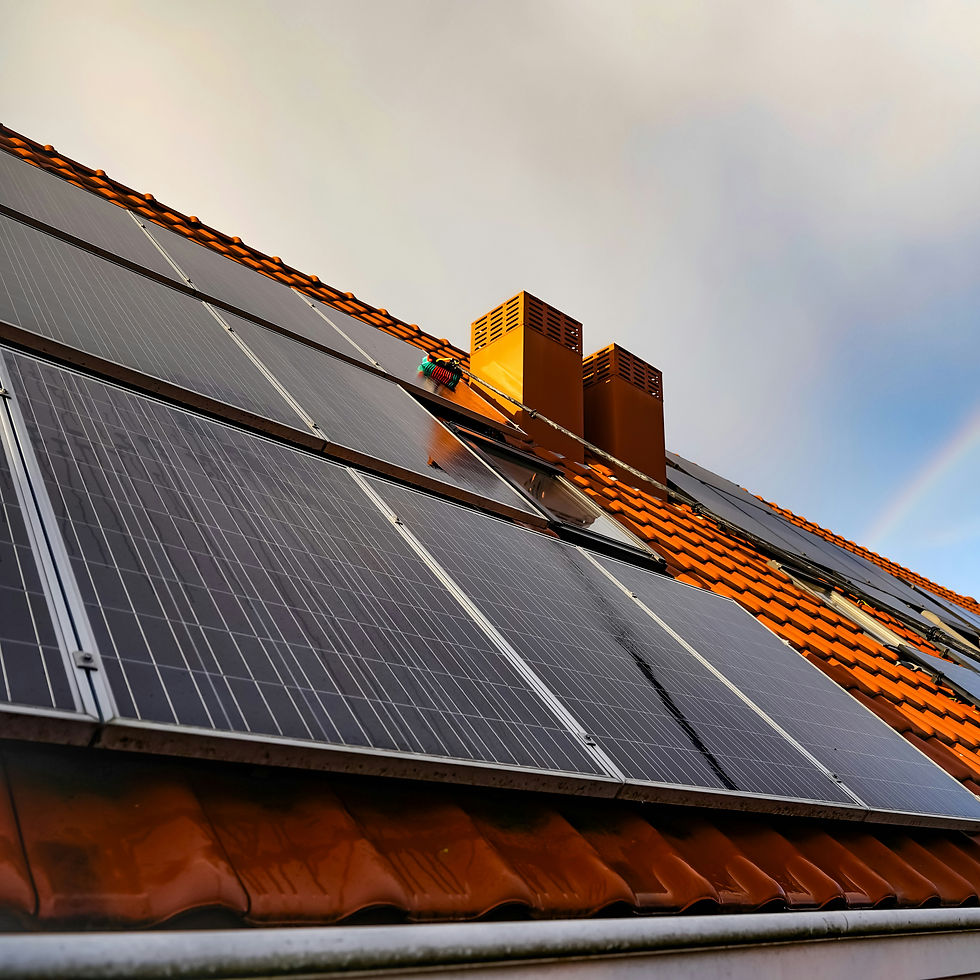
Your residential solar panel installer should inspect the roof structure, covering, pitch, orientation and shading before recommending equipment. In London, nearby buildings, chimneys, trees and roof extensions can affect generation, while older roofs may need repairs before installation.
The design should state the proposed panel layout, inverter location, cable routes and expected annual output. Ask for an itemised quotation covering scaffolding, electrical work, monitoring equipment, VAT and any roof repairs. Your installer should also check whether the roof can support the system and whether battery storage suits your electricity use.
Choose panels and inverters with suitable warranties and clear performance specifications. A competent installer should explain estimated generation in kilowatt-hours and how seasonal changes will affect your results.
Permissions And Grid Connection
Most domestic solar installations fall under permitted development rights, but restrictions can apply to listed buildings, conservation areas and properties in designated areas. Your residential solar panel installer should check local planning requirements and confirm whether you need formal approval before work begins.
Your system must meet electrical and grid requirements. For systems up to 3.68kW per phase, your installer usually submits an Engineering Recommendation G98 notification to the distribution network operator after installation. Larger systems normally require G99 approval before installation, which can take longer.
Request copies of the electrical installation certificate, commissioning documents and grid notification. If you plan to export surplus electricity, choose an export tariff and confirm that your meter can record imported and exported energy accurately. Solar Panels London can guide you through each step, ensuring your solar panel installation is seamless and compliant.

For more guidance, explore “Residential Solar Panel Installers Near Me” and “Solar Power Panel Installation” to learn more about going solar.
Monitoring And Maintenance
Your Residential solar panel installer should set up the inverter’s monitoring platform and show you how to check daily generation, system status, and fault alerts. Compare output with the installer’s estimate while allowing for weather, shading, and seasonal variation.
Solar panels generally need limited maintenance, but you should keep them free from persistent obstructions such as leaves and check for visible damage after severe weather. Do not climb onto the roof or attempt electrical repairs yourself.
Arrange periodic checks according to the manufacturer’s guidance, particularly for the inverter, cables, isolators, and mounting system. Keep warranty documents, installation certificates, and monitoring records together. Contact Solar Panels London, your Residential solar panel installer, promptly if generation drops sharply, the inverter displays a fault, or your monitoring connection stops working. For ongoing support and maintenance, rely on Solar Panels London as your trusted Residential solar panel installer.


Comments