
Solar Photovoltaic Technician Career Guide
A solar photovoltaic technician installs, maintains and repairs systems that convert sunlight into electricity. As a solar panel technician with Solar Panels London, you work with panels, inverters, wiring and monitoring equipment while following strict safety standards and electrical regulations.
Your daily work as a solar panel technician may involve site assessments, system testing, fault diagnosis and performance checks. Understanding the role, required skills and available career routes can help you decide whether this profession suits your goals with Solar Panels London.
Key Takeaways
You install and maintain solar photovoltaic systems safely as a solar panel technician.
Electrical knowledge and practical troubleshooting skills matter.
Training and certification can support career progression with Solar Panels London.

Core Responsibilities And Technical Skills
A solar panel technician needs to combine practical installation skills with accurate electrical testing and disciplined safety procedures. Your work must meet design specifications, electrical regulations, manufacturer instructions and site-specific risk controls.
System Installation Procedures
You begin by reviewing the system design, roof plans, equipment schedules and installation instructions. Confirm the array orientation, tilt, shading risks, cable routes, inverter location and required access before moving materials or fixing components.
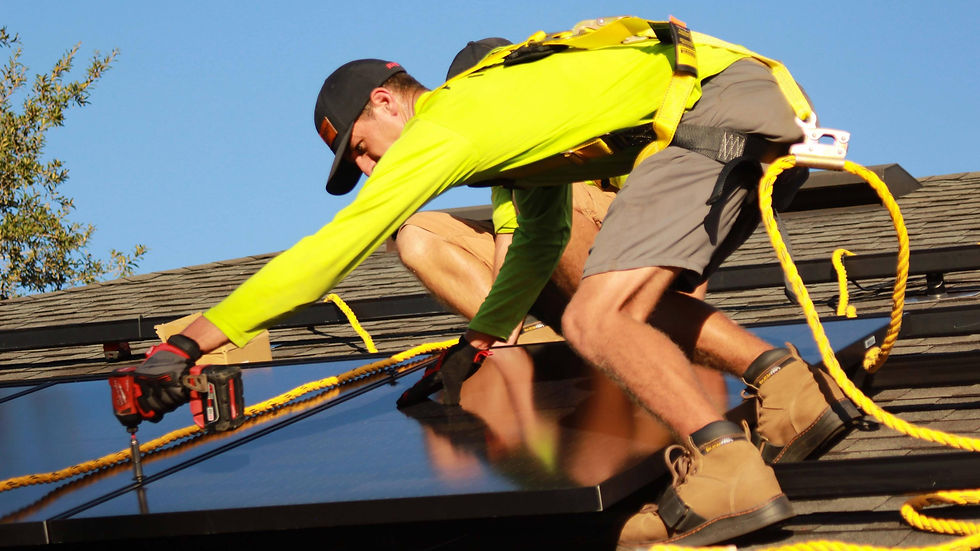
During installation, you secure roof anchors, mounting rails and module clamps to the specified torque. You handle panels carefully to avoid cracked glass, damaged frames and connector contamination. You route DC cables neatly, support them against wind and abrasion, and maintain correct polarity throughout the array.
You install isolators, inverters, batteries and protective equipment according to the approved design. Before commissioning, check that labels, warning signs, cable glands, weather seals and earthing connections meet requirements. Record serial numbers, test results, photographs and any design changes for handover documentation.
Electrical Testing And Fault Diagnosis
You test each circuit before energising the system. Typical checks include polarity, continuity, insulation resistance, open-circuit voltage and short-circuit current on DC strings, followed by AC voltage, frequency, protective-conductor continuity and residual-current device operation where applicable.
You compare measured values with design calculations and manufacturer limits. A significant voltage difference between strings may indicate a reversed connection, shading, a failed bypass diode or a damaged module. Low insulation resistance can result from crushed cables, moisture ingress, poor terminations or defective equipment.
When an inverter reports a fault, you isolate the relevant circuit before inspecting connectors, fuses, isolators and communication links. You use calibrated meters and follow safe testing sequences. You document the fault, corrective action and final test result.
Health And Safety Compliance
You plan work through a site-specific risk assessment and method statement. Key controls include safe roof access, edge protection, suitable scaffolding or platforms, manual-handling arrangements and precautions for fragile surfaces. You stop work when weather conditions create unacceptable risks from wind, rain, ice or poor visibility.
You treat photovoltaic arrays as electrically live whenever light reaches the modules. Before working on equipment, you follow the correct isolation and lock-off procedure, verify the absence of dangerous voltage where appropriate, and prevent unauthorised reconnection. DC arcs can persist, so you use compatible connectors, insulated tools and suitable arc-resistant procedures.
You wear task-appropriate PPE, including safety footwear, gloves, eye protection and fall-arrest equipment where required. You also control battery hazards, fire risks, lifting operations and electrical work by competent personnel. Keep access routes clear and report defects, incidents and near misses through the required site process.

Training, Certification And Career Pathways
You need practical electrical skills, photovoltaic system knowledge, and documented competence to work safely as a solar panel technician. Accredited training, site experience, and continuing development can help you progress from installer to specialist or supervisor at Solar Panels London.
Required Qualifications
You typically need a secondary-school qualification, strong numeracy, and the ability to read technical instructions. Employers such as Solar Panels London often expect training in electrical principles, direct current and alternating current systems, wiring, isolation procedures, and workplace health and safety.
A recognised course in solar photovoltaic installation should cover panel mounting, inverter connections, cable sizing, earthing, testing, fault diagnosis, and commissioning. You may also need working-at-height training, manual-handling instruction, and site-specific safety qualifications.
Practical experience matters. An apprenticeship, trainee installer role, or supervised placement helps you develop competence with tools, roof structures, electrical testing equipment, and installation documentation. A driving licence can improve your access to mobile site work.
Professional Accreditation
In the UK, you can pursue an electrical qualification such as an NVQ or SVQ in electrical installation, followed by specialist photovoltaic training. Courses aligned with the Microgeneration Certification Scheme (MCS) requirements can support work on eligible installations, although certification normally applies to the installation business rather than an individual solar panel technician.
You should choose training that includes practical assessment, current wiring regulations, inspection and testing, and manufacturer instructions. Keep records of completed courses, supervised work, test results, and safety training.
Renewable-energy standards and equipment change regularly. You should maintain competence through refresher courses, manufacturer training, and continuing professional development, particularly in battery storage, electric-vehicle charging, smart inverters, and system monitoring. Solar Panels London encourages ongoing training for every solar panel technician to stay current in this evolving field.
For more solar career and repair insights, explore “Solar Inverter Repair Technician” and “Solar Panel Repair Technician Near Me” for expert guidance.
Employment Opportunities
As a solar panel technician, you can work for solar installation companies, electrical contractors, energy suppliers, facilities-management firms, or renewable-energy developers such as Solar Panels London. Typical duties for a solar panel technician include surveying properties, installing modules and inverters, testing systems, completing handover documents, and investigating performance faults.
With experience, a solar panel technician may progress to senior technician, commissioning engineer, site supervisor, design technician, or project manager. Additional electrical qualifications can expand your responsibilities and allow you to work on broader commercial and industrial projects with Solar Panels London.
You can also specialise in battery storage, large-scale solar farms, operations and maintenance, or remote system monitoring. Self-employment offers further opportunities for a solar panel technician, but you must manage insurance, customer contracts, risk assessments, equipment standards, and any registration requirements that apply to your work. Solar Panels London supports professional development and career growth for every solar panel technician on their team.


Comments