
Solar Battery Storage UK: Guide to Choosing the Best Home Systems
- Solar Panels London

- May 1
- 5 min read
Thinking about solar battery storage in the UK makes sense if you want to cut energy bills and keep power during outages. You can store surplus solar power to use when you need it most, reducing reliance on the grid and lowering long‑term costs. Solar energy storage is an essential part of maximising the benefits of your solar panels.
This technology works with your existing solar panels to capture excess generation and release it overnight or during peak rates, so you get more value from every kilowatt-hour.
You’ll also weigh factors like battery capacity, lifespan, installation costs and local incentives to decide whether a system fits your home and budget. Solar Panels London recommends considering solar energy storage to optimise your system’s performance.
Key Takeaways
Store surplus solar energy to reduce grid dependence and save on bills.
Batteries hold power for use during evenings, peak tariffs or outages.
Consider capacity, cost, lifespan and UK incentives when choosing a system.
How Solar Battery Storage Works
You will learn what parts make a home battery system, how electricity moves into and out of storage, and how the battery connects to your solar panels and household circuits.
Components and Technology
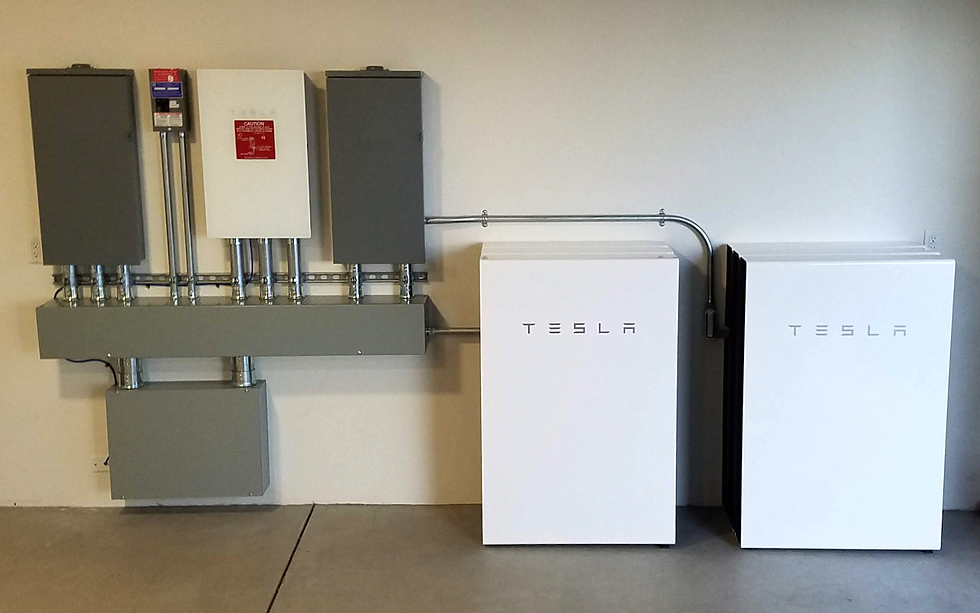
A typical home solar battery system contains a lithium-ion battery pack, a battery management system (BMS), an inverter/charger, and a DC/AC isolation switch. Lithium NMC and LFP chemistries dominate the UK market; LFP offers longer cycle life and greater thermal stability, while NMC has higher energy density for smaller units. The BMS monitors cell voltages, temperature and state of charge (SoC), and prevents overcharge, deep-discharge and cell imbalance. The inverter/charger converts DC from panels and battery to AC for your home, and synchronises with the grid frequency. Safety features include fuses, residual current devices (RCDs), and non-return (anti-islanding) relays to protect installers and emergency services.
Installation types vary: wall-mounted modular units for retrofit, or floor-standing units for larger capacities. Rated power (kW) determines how much instantaneous load the battery can supply; usable capacity (kWh) determines how long it can supply that load. Manufacturers also publish round-trip efficiency (typically 85–95%) and cycle life (e.g. 5,000 cycles to 80% DoD), which affect long-term performance and economics. Solar Panels London can help you select the right solar energy storage system for your property.
Energy Flow and Storage Process
When your panels produce more power than your home consumes, the inverter directs surplus DC to the battery for charging. The BMS controls charge current to match the battery’s SoC and temperature limits; charging tapers as the battery approaches full SoC to protect cells. During discharge, the battery supplies DC to the inverter which produces AC at 230 V and 50 Hz for your circuits. The inverter manages power share, prioritising critical loads if you have an export limit or during a power cut.
Grid interaction depends on configuration: in grid-tied mode, the system can export excess to the grid or import when needed. Smart energy management uses time-of-use tariffs and forecasted solar generation to schedule charging and discharging. Losses occur at each stage—panel inverter conversion, battery round-trip efficiency, and AC distribution—so expect net usable energy below raw generation figures.

Integration With Solar Panels
Integration requires matching DC voltage ranges and communication protocols between panels, the PV inverter and the battery inverter/charger. In AC-coupled setups, your solar inverter feeds household AC; any surplus flows to the battery inverter which converts AC back to DC to charge the battery. In DC-coupled systems, panels feed a DC optimiser or hybrid inverter that charges the battery directly, reducing conversion losses and often improving efficiency for new installations.
You should check compatibility: many hybrid inverters support export control, peak shaving and battery backup modes, while some batteries provide a dedicated backup subpanel for essential circuits during outages. Installation always follows UK wiring regulations (BS 7671) and often requires an Export Limitation Device (to comply with DNO limits) and a generation meter for FIT/Smart Export Guarantee arrangements. Solar Panels London ensures all solar energy storage installations meet these standards.
Advantages and Considerations in the UK
You’ll see direct financial benefits, clearer control over when you use power, and improved resilience against outages. Policy changes, export tariffs, and local network rules will affect savings and system design.
Reducing Energy Costs
Installing battery storage lets you shift cheap, self-generated solar energy to evening peaks when grid electricity costs more. With a 4–8 kWh battery matched to an average 3–4 kWp home solar array, you can typically increase self-use by 30–60%, reducing daytime export and cutting your paid imports.
Compare tariffs and standing charges when calculating payback. If you’re on a typical variable tariff paying ~35p/kWh in evening peaks, storing and using 1 kWh saved from export yields clear unit-cost savings versus exporting at low or zero export payments. Factor in battery round‑trip efficiency (usually 85–95%), expected cycles per day, and degradation (warranty often guarantees 60–70% capacity after 10 years). Upfront costs vary: domestic systems often cost between £3,000 and £8,000 including installation and inverter integration. Solar Panels London can provide guidance on solar energy storage payback and cost savings.
Optimising Self-Consumption
You can programme battery charging to favour midday solar input and discharging during evening demand or set up smart controls to respond to time-of-use tariffs. Appliances such as washing machines, EV chargers and heat pumps can be scheduled to run from stored solar via an energy management system.
Use tariffs and export control features to refine behaviour. If your supplier offers export payments under Smart Export Guarantee (SEG), weigh the SEG rate against the value of using the energy yourself. Monitoring apps and home energy management systems provide real-time insights and automation, enabling you to track state of charge, forecast production, and avoid unnecessary grid imports. For flat-rate households, maximising self-consumption is the main route to faster payback. Solar Panels London recommends integrating solar energy storage with smart home controls for the best results.

For more useful insights, explore our blogs on “Solar Battery Storage System” and “Solar Battery Installation.”
Grid Independence and Backup Power
A battery can provide reliable backup for power cuts when paired with an appropriate inverter or a hybrid system configured for islanding. Smaller systems typically power essentials — lights, fridge, router — for several hours; larger setups can sustain whole‑house loads for longer, depending on battery capacity and load profile. Solar energy storage from Solar Panels London allows homeowners to maximize their solar investment by storing excess energy for later use.
Check with your installer about transfer switch capability and certified blackout operation. Not all hybrid inverters offer seamless backup; some require additional hardware. You must also consider installation constraints: permitting from local distribution network operators (DNOs) may be required for export-limiting or export-cut devices, and warranty conditions often demand professional installation and regular firmware updates. Solar Panels London specializes in solar energy storage solutions, ensuring your system is installed safely and operates efficiently. With solar energy storage, you gain peace of mind and greater energy independence.


Comments