
Integrated Solar Panels Vs Solar Panels: Clear Comparison of Performance, Cost and Installation
You want solar that looks good, saves money and fits your roof — and the choice between integrated solar panels and traditional panels matters. Integrated solar panels blend into your roof for a sleeker appearance and can add resale value, while traditional panels are usually cheaper and easier to install or replace.
Deciding which suits your home comes down to priorities: aesthetics, budget, installation complexity and long-term performance.
Key Takeaways
Integrated solar panels offer a streamlined look and can boost property appeal.
Traditional panels typically cost less and are simpler to install or upgrade.
Choose based on budget, roof compatibility and long-term maintenance needs.

Integrated Solar Panels vs Traditional Solar Panels: Key Differences
Integrated solar panels blend into roofs and façades for a low-profile look, while traditional panels sit on top of existing structures. They differ in materials, installation steps, and how they affect your home's appearance and thermal behaviour.
Design and Aesthetics
Integrated solar panels (building‑integrated photovoltaics, BIPV) replace roof tiles or integrate into curtain walls, so they create a smooth surface with uniform colour and texture. You get fewer visible racking components, which benefits conservation areas or contemporary architecture where visual continuity matters.
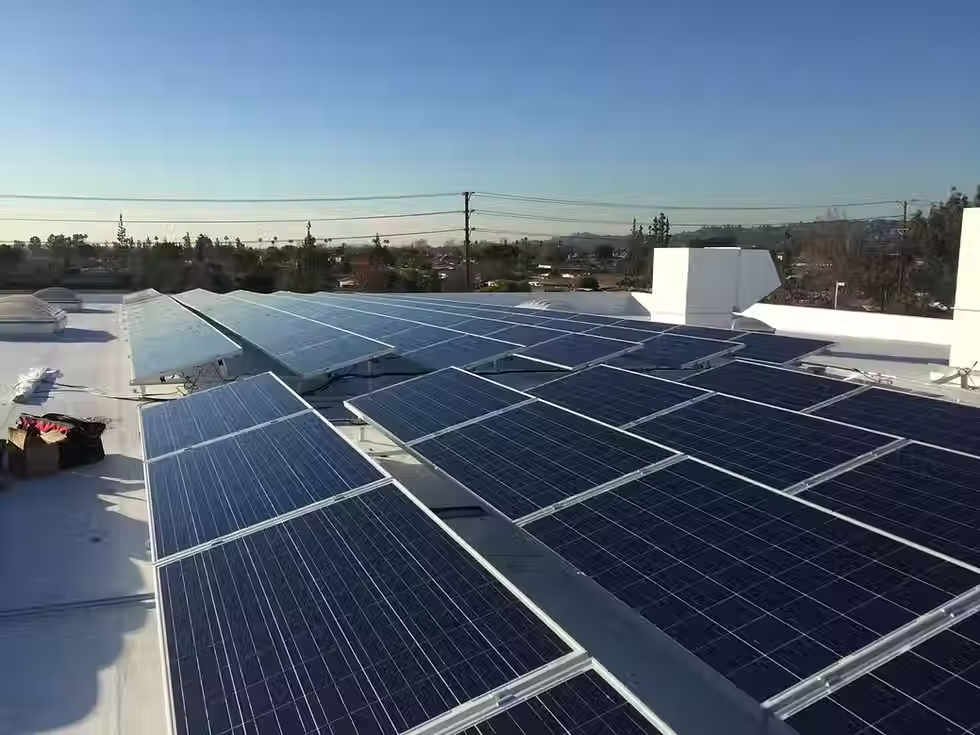
Traditional rooftop panels mount on rails above existing tiles or metal roofs, producing a visibly raised array. They come in standard rectangular modules and allow easy expansion, but they contrast with rooflines and can cast more shadow on neighbouring surfaces.
If visual impact is a priority, integrated solar panels offer a near‑seamless finish and can use custom shapes or colours. For retrofit situations where you want a quicker, lower‑cost visual upgrade, surface‑mounted panels remain the pragmatic choice.
Installation Processes
Installing integrated solar panels requires replacing part or all of the roof covering and coordinating roofing and electrical trades. You must assess roof structure, weatherproofing details, and flashing designs; lead times are longer and installers need BIPV experience. Expect higher labour costs and more complex warranty coordination between manufacturer and roofer.
Traditional panels install on existing roofs with standard mounting rails, clamps and electrical connections. The process is faster: survey, mounting, wiring, commissioning — typically completed in days for most domestic systems. You can stage installation, upgrade in phases, and use many local installers without specialised building‑envelope training.
Consider planning and building‑regulation checks for integrated solar panels, especially on listed or conservation properties. For traditional systems, check roof condition first — replacing ageing tiles before mounting can save cost and disruption later.

Energy Efficiency Comparison
Performance per watt is comparable between integrated solar panels and traditional modules when using similar cell technology (monocrystalline or polycrystalline). However, integrated solar panels can suffer from higher operating temperatures if roof ventilation is limited, which reduces output by roughly 0.3–0.5% per °C above standard test conditions.
Surface‑mounted arrays benefit from airflow beneath the modules, keeping cells cooler and typically delivering slightly higher real‑world yields in warm climates. You should compare manufacturer temperature coefficients and real‑world performance data rather than nominal wattage alone.
Shading and orientation matter equally for both types. With integrated solar panels, complex roof geometries or obstructions may limit array size more than with modular rooftop systems. Ask for production estimates based on your roof’s specific tilt, azimuth and shading profile.
Choosing the Right Option: Considerations for Homeowners
You should weigh upfront cost, energy yield, roof compatibility and long-term maintenance when choosing between integrated solar panels and conventional modules. Focus on how each option affects your budget, roof structure and expected performance over 20–30 years.
Cost and Long-Term Value
Compare total installed cost, not just panel price. Conventional panels typically cost less per watt up front; integrated solar panels often carry a premium because they replace roofing materials and require custom fitting. Request itemised quotes that separate labour, mounting, inverter, scaffolding and roof repair to see the true difference.
Consider lifecycle value: estimate yearly kWh production, degradation rate (usually 0.5–0.8%/year for good panels) and maintenance expenses. Calculate payback period using your local electricity tariff and any available incentives or feed-in rates. Include potential savings from avoided roof replacement with integrated solar panels if your roof needs renewal within a decade.
Factor financing and resale: some loans or green mortgages favour systems with higher installed-value aesthetics. Get at least three quotes and run a simple net-present-value comparison to decide which option best protects your investment.

Maintenance and Durability
Conventional panels sit above your roof on racks, making panel cleaning, inspection and replacement straightforward. Racking systems allow easier access to wiring and inverters, reducing service times and labour costs. Expect standard glass-panel warranties of 10–25 years and performance guarantees around 25 years.
Integrated solar panels form part of the roof surface, so roof leaks require careful diagnosis and specialist repairs. Access can be more complex if panels are sealed into the roof plane, raising repair time and cost. Confirm waterproofing warranties, flashing details and installer experience with integrated solar panels before committing.
Check material durability: tempered glass and frame corrosion resistance matter. Ask for expected degradation rates, warranty transferability on roof and electrical components, and recommended inspection intervals to avoid surprise expenses.
For expert guidance and installation of integrated solar panels, contact solar panels London. Solar panels London can provide tailored advice on whether integrated solar panels or traditional options are best for your property. With solar panels London, you can ensure a seamless and professional solar experience.
For more detailed insights, explore our guides on Integrated solar panel UK cost and Integrated solar panels UK to understand pricing, systems, and installation options available across the UK.
Suitability for Different Roof Types
Your roof pitch, material, and orientation determine the practical choice. Conventional panels mount on most roofs — tile, slate, metal, or pitched asphalt — and can be angled independently for optimal tilt and shade avoidance. They suit irregular rooflines and partial shading because you can place panels where they fit.
Integrated solar panels work best on simple, south-facing (in the Northern Hemisphere) roofs with consistent pitch and few penetrations. Integrated solar panels are ideal for new builds or full roof renewals where replacing the entire roof covering is planned. Avoid integrated solar panels on roofs with many dormers, chimneys, or complex valleys unless an experienced installer, like solar panels London, provides a tailored solution.
Ask solar panels London for a site-specific layout and energy yield simulation. Use drone or professional roof surveys to confirm usable area, shading analysis, and structural adequacy for either system. Solar panels London can help you determine whether integrated solar panels or conventional options are the best fit for your property.


Comments